- (+84) 24 6269 0481
- @ info@fecon.com.vn
- FCN 15:Cập nhật:15:15 T2, 01/01/0001 : 0.00 Volume :

FECON SECURES APPROVAL FOR NEARLY VND 1.6 TRILLION WIND POWER PROJECT, ADVANCING ITS ENERGY–INFRASTRUCTURE INTEGRATION STRATEGY
- 05.05.2026
- |
- 3787 (views)
FECON is accelerating its investment in new energy projects to support Vietnam’s clean energy transition, as outlined in Power Development Plan VIII.
FECON is developing an integrated renewable energy and green industrial park model to boost value.
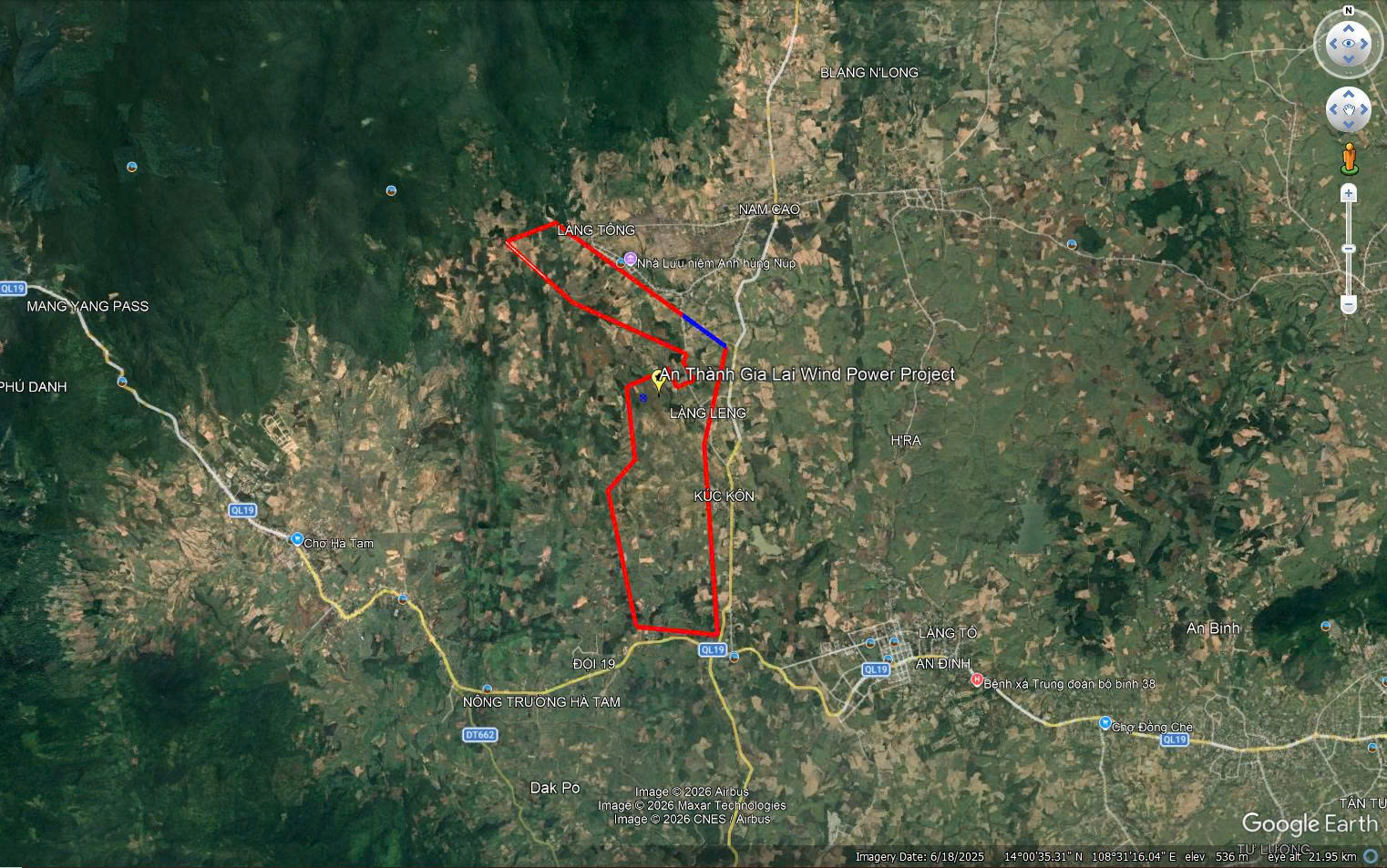
In April 2026, the People’s Committee of Gia Lai Province issued a decision approving the investor for the An Thanh Gia Lai Wind Power Plant Project (Phase 1, capacity of 40 MW). The approved investor is An Thanh Gia Lai Wind Power JSC, a subsidiary of FECON Power and part of the FECON ecosystem.
Under the decision, the project carries a total investment of approximately VND 1.586 trillion, with 20% funded by equity and the balance raised through external financing. Construction is slated to begin in November 2026, with commercial operations targeted for February 2028. The project will operate for 50 years from the date of land allocation.
As Power Development Plan VIII sets targets to increase the share of renewable energy -particularly wind power - the development of generation projects is accelerated. However, the challenge lies not only in power generation but also in offtake capacity and maintaining system stability.
According to experts, the emerging trend is the co-development of power generation and demand, rather than the traditionally fragmented approach. In this context, the An Thanh Gia Lai Wind Power Project is considered to hold a dual advantage, acting as a strategic link in FECON’s integrated energy–infrastructure model.
“We are not merely developing power projects for grid injection but are also targeting direct linkage with demand from industrial parks. Proactively securing a clean energy supply will enhance the value of the infrastructure projects we develop,” a FECON Power representative said.
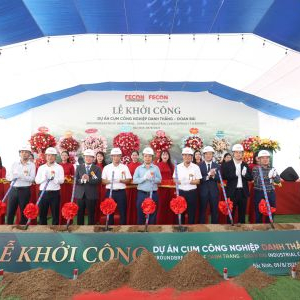
One such project is the FECON IP Hoa Yen Industrial Park in Bac Ninh, a 256-hectare development that commenced construction in early April 2026. The company is currently evaluating integrated power solutions, combining on-site generation with power sourced from an external supply.
Specifically, rooftop solar systems are planned for installation on factory rooftops to maximize space utilization and enable on-site power consumption. Meanwhile, electricity generated from wind power projects such as An Thanh Gia Lai will be delivered via the Direct Power Purchase Agreement (DPPA) mechanism.
This power may be transmitted through the national transmission grid operated by the National Power Transmission Corporation (EVNNPT), in conjunction with battery energy storage systems (BESS), to ensure system stability and uninterrupted operations.
From a regulatory standpoint, at the groundbreaking ceremony of the FECON IP Hoa Yen Industrial Park in Bac Ninh, Vice Chairman of the provincial People’s Committee, Pham Van Thinh, commended the renewable energy-integrated industrial park model as an emerging driver of investment competitiveness. The development aims for 100% rooftop solar deployment across factory facilities, alongside BESS integration to meet N-1 redundancy and move toward N-2 system security standards. For high-tech sectors such as semiconductors, more stringent requirements apply, including compliance with SEMI F47 to minimize voltage dips and ensure operational reliability.
With its end-to-end integration capabilities, FECON is steadily advancing a model that connects renewable energy supply to green industrial parks, reinforcing its strategic direction of integrating clean energy with industrial infrastructure.
Strengthening competitiveness in industrial park investment attraction
Market trends indicate that FDI investors, particularly in high-tech industries, are increasingly prioritizing access to clean and reliable power when selecting manufacturing locations. Compliance with “green power” requirements not only reduces emissions but also strengthens integration into global supply chains.
According to experts, hybrid models integrating rooftop solar, wind power, and battery energy storage systems (BESS) are gaining traction globally. Such configurations help optimize operational costs while improving overall system reliability.
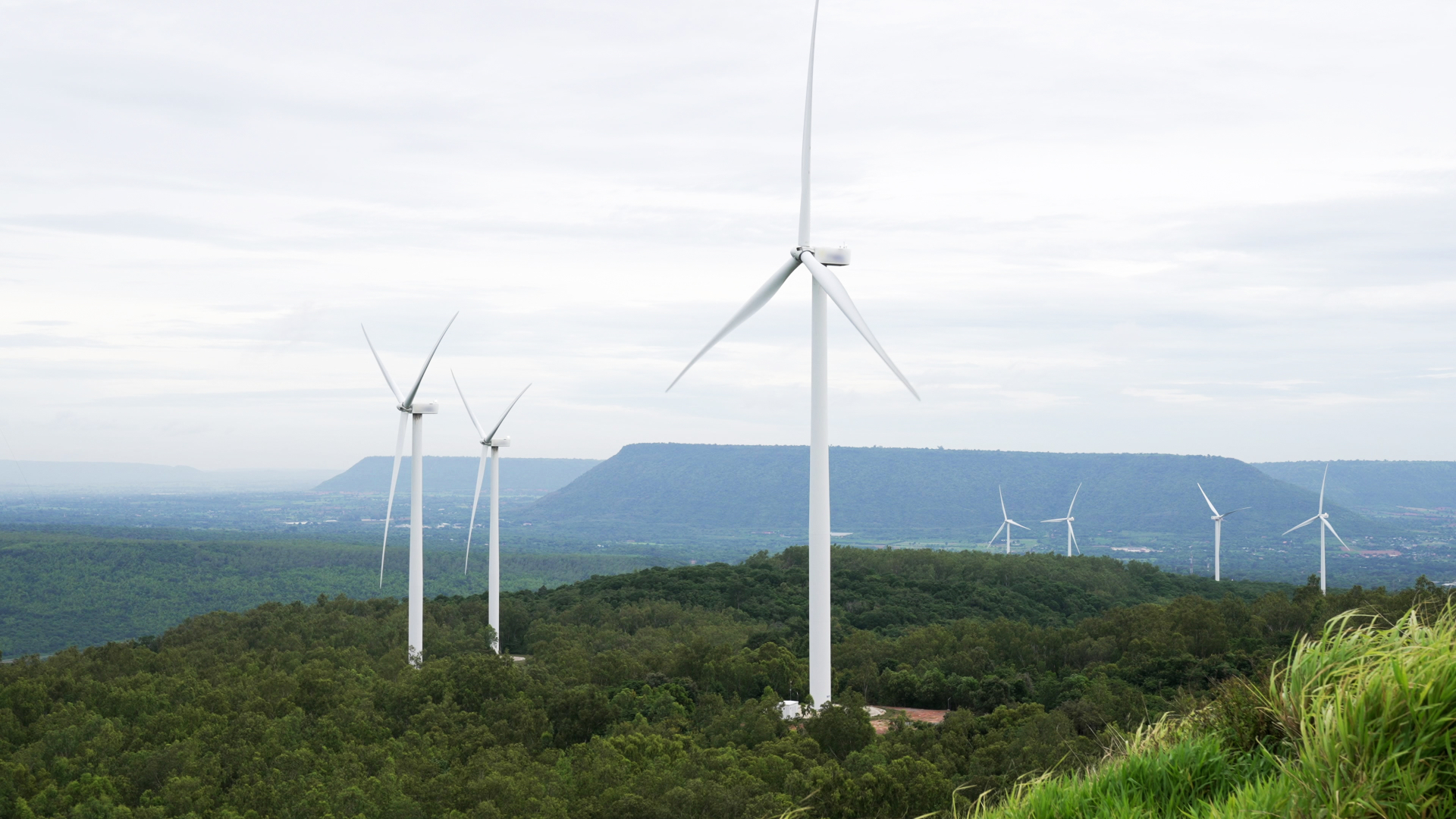
In this context, FECON’s concurrent development of renewable energy and industrial infrastructure reflects an integrated strategy, in which energy evolves from a mere input to a value-generating component of infrastructure.
The An Thanh Gia Lai Wind Power Project thus not only adds to the clean energy supply but also lays the groundwork for a new development paradigm, where industrial parks evolve from providers of production space into integrated platforms offering sustainable energy solutions to investors.
Related news

Comments